What do I think, What can I do?

It is always interesting to listen what it is sadi in electoral campaings. Ok, I recognize it will not always be fulfilled later, or even worse, some parties make several statements thinking they never will have opportunity to make them true but this way they can improve their position, or make opponent ones unconfortable. Nevertheless, elections still continue to be a privileged moment to check the best intention of any party, and their believefs about public opinion.

And regarding climate change those Spanish elections show tw interesting data in my opinion:

1.-Climate change has not been a main topic in this Campaing, it is not strange considering the serious economic crisis. However the climate crisis may be more profound and much more risky in the long term. Renewables and energy have not been the main topic either but they have been present due to the economic consequences and recent Spanish energy history.

2.- The most interesting thing is that climate change have been overwhelmedly accepted as real and important. Even the winner, the right-wing PP party saids clearly so in spite of its good relationship with american Republican party . Europe and USA are different in this aspect, althoug in practice this can be a small difference in some cases.

Anyway, there is a more detailed analysis here. Of course it is not objective, because it is an interesting review about renewables. But mine it is not either and maybe objectiveness is just an ilusion best reached from adding different subjectivenesses.

Normal
0

false
false
false

EN-US
X-NONE
X-NONE

MicrosoftInternetExplorer4

/* Style Definitions */
table.MsoNormalTable
{mso-style-name:”Tabla normal”;
mso-tstyle-rowband-size:0;
mso-tstyle-colband-size:0;
mso-style-noshow:yes;
mso-style-priority:99;
mso-style-qformat:yes;
mso-style-parent:””;
mso-padding-alt:0in 5.4pt 0in 5.4pt;
mso-para-margin-top:0in;
mso-para-margin-right:0in;
mso-para-margin-bottom:10.0pt;
mso-para-margin-left:0in;
line-height:115%;
mso-pagination:widow-orphan;
font-size:11.0pt;
font-family:”Calibri”,”sans-serif”;
mso-ascii-font-family:Calibri;
mso-ascii-theme-font:minor-latin;
mso-fareast-font-family:”Times New Roman”;
mso-fareast-theme-font:minor-fareast;
mso-hansi-font-family:Calibri;
mso-hansi-theme-font:minor-latin;
mso-bidi-font-family:”Times New Roman”;
mso-bidi-theme-font:minor-bidi;}

The atomic nucleus is an incredibly small place with exceedingly strong powers fighting each other. This power was first showed in Hiroshima and Nagasaki. Those people living there suffered terrible devastation from two small bombs and world vision of war and peace was never the same again. But at the same time many people started to dream about harnessing this incredible power, Asimov’s classic science-fiction novels are full of those examples, I think it was the hope of a generation and a really nice hope because unlimited cheap energy would be a wonderful thing to improve our lives.

In nuclear case, however, it was more complicated. I have posted before I am neither in favor nor totally against nuclear power. Climate change is a must and an urgent risk so we have to be careful with the MWh production we lose. I also believe that we have to consider the total bill of nuclear energy, including accidents, stronger safety measurements and waste disposal for a long time. And these not very commented news from beginning of this month may be important to recalculate those costs, because Japanese again have suffered the worst part of nuclear power and it seems that Fukushima’s issue is far for being solved and clarified for cost calculation updates.

And when we recalculate, it may happen that many renewables are not so expensive. I suspect that this is one of the reasons for most countries not to deploy nuclear power plants in the last 20 years.

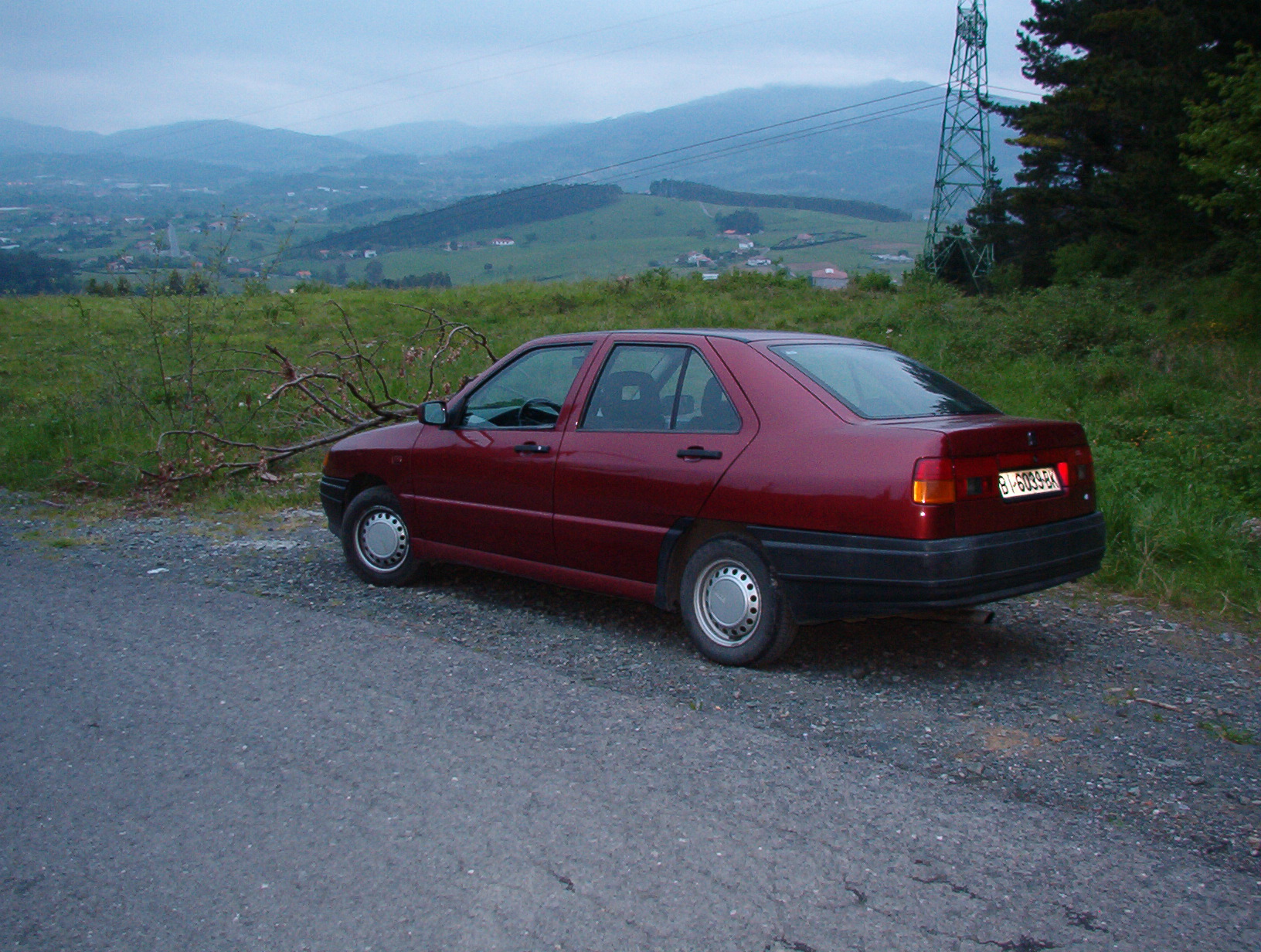
Our old Toledo car

Our old Toledo car


The cars are something more than a transport tool in many houses of western countries, they are a dream in some cases, almost a member of the family in others. In my work enviroment they are specially important as they are the one of the main targets of the steel we produce, so we talk frequently about cars, along with soccer and weather it is a confortable subject to talk about. My opinion and the opinion of many of my colleagues is quite different regarding cars and this helps me to think a bit about my ideas about transport.

This last week I remenber 3 unimportant conversation and news that show this divergence. One by one:

  1. One colleague is going to buy a car and I asked him if he thought about buying an hybrid one (we are two with hybrid cars now my wonderful Prius and a new lexus one). He told me that two motors in the same car and the necessary control is too complex, he is not sure about the madurity of the technology. It is an original argument because it does not talk about the cost. Of course I beleive hybrid cars are reliable enough, at least mine is 6 years old and works wonderfully well. (I will talk about it in another post).
  2. The second one is a conversation about fuel consumption of the Prius. One colleague remembered a figure about 7 lt/100Km. Whereas I never said this amount becasue my experience is that it is close to 5 lt/100Km but from the lower side.
  3. The final one was a nice documentary in the TV about a man that built a flying car and the dream that most of the cars will be like this in the future avoiding traffic jumps, long roads,… Freedom of movement is a wonderful dream, even for me but we need a realistic fuel for it. For the moment it seems more realistic to go towards low consumtion cars, better used ones, mass transit, woirking more at home or just walking or using bicicles.

In any case transportation is one of the biggest challenges we have to reduce CO2 emissions and maybe one the the aspecs in whitch normal citicens can do more but at the same time will suffer more changes. I think it is a good time to start thinking about it, start preparing ourself and start making small steps towards lower CO2 transport. The expensive oil will help us.


A lot of people souce: Flicr

It is the news of this week, and for this time I agree with the media choice. I know it is a convention, and that nobody really knows when it will happen exactly. But, OK this is not the main issue for me. The main question is our great reproductive success as specie.  I have confused feelings about that. Certainly I am worried, and I am not alone . More people is more CO2. It is true that the population growing faster is less CO2 dangerous but it is not less true that per capita CO2 emissions have not decreased the last years globally (see figure below), so even if some carbon efficiency is gained in some countries the in the world average more people means more CO2 in the last 50 years. So we have only two ways of decrease the total amount (the one that counts):

  1. Decrease the population.
  2. Decrease the CO2 per capita.
  3. Or even better: control the population and reduce the CO2 per capita.

In most of the world, however, a population decrease is seen a great problem as it means getting old as a country and we are used to live with many young people sustaining our economies. It is something we will have to think of, considering someday we will have to stop growing for one reason or another. Maybe climate change is the first serious warning in this sense, a symptom showing the impossibility of eternal growth. Or maybe we need to suffer the consequences of natural disasters to convince us to regulate ourselves.

In any case, I am happy for this new baby, because it is a new hope for everyone. And my hope is that we will learn to be socially and enviromentally sustainable, not an easy objective but a clever one.

CO2 emissions per capita in the world in the las 50 years (made with CDIAC data)

London trip

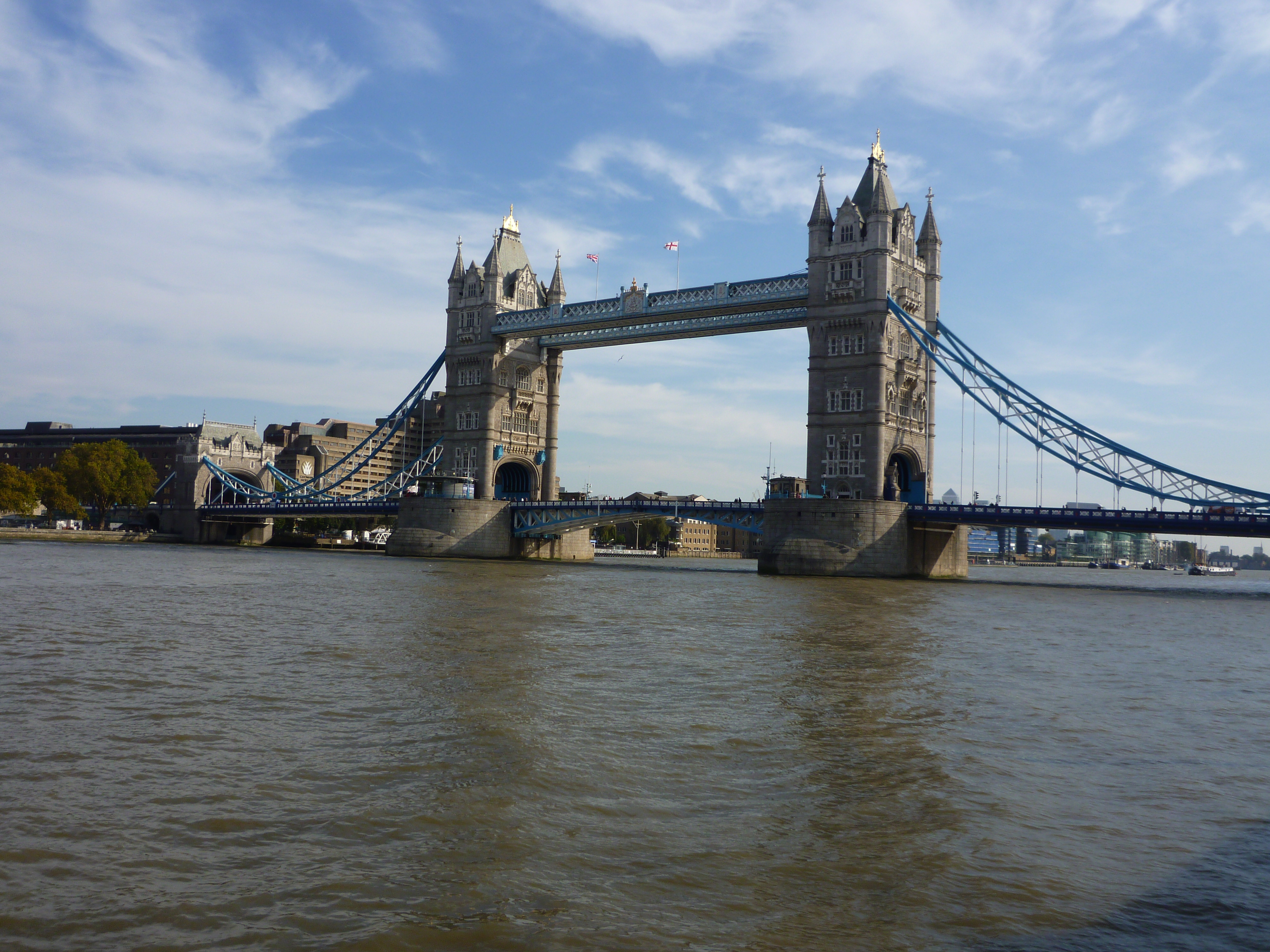
Tower Bridge in London

Tower Bridge in London

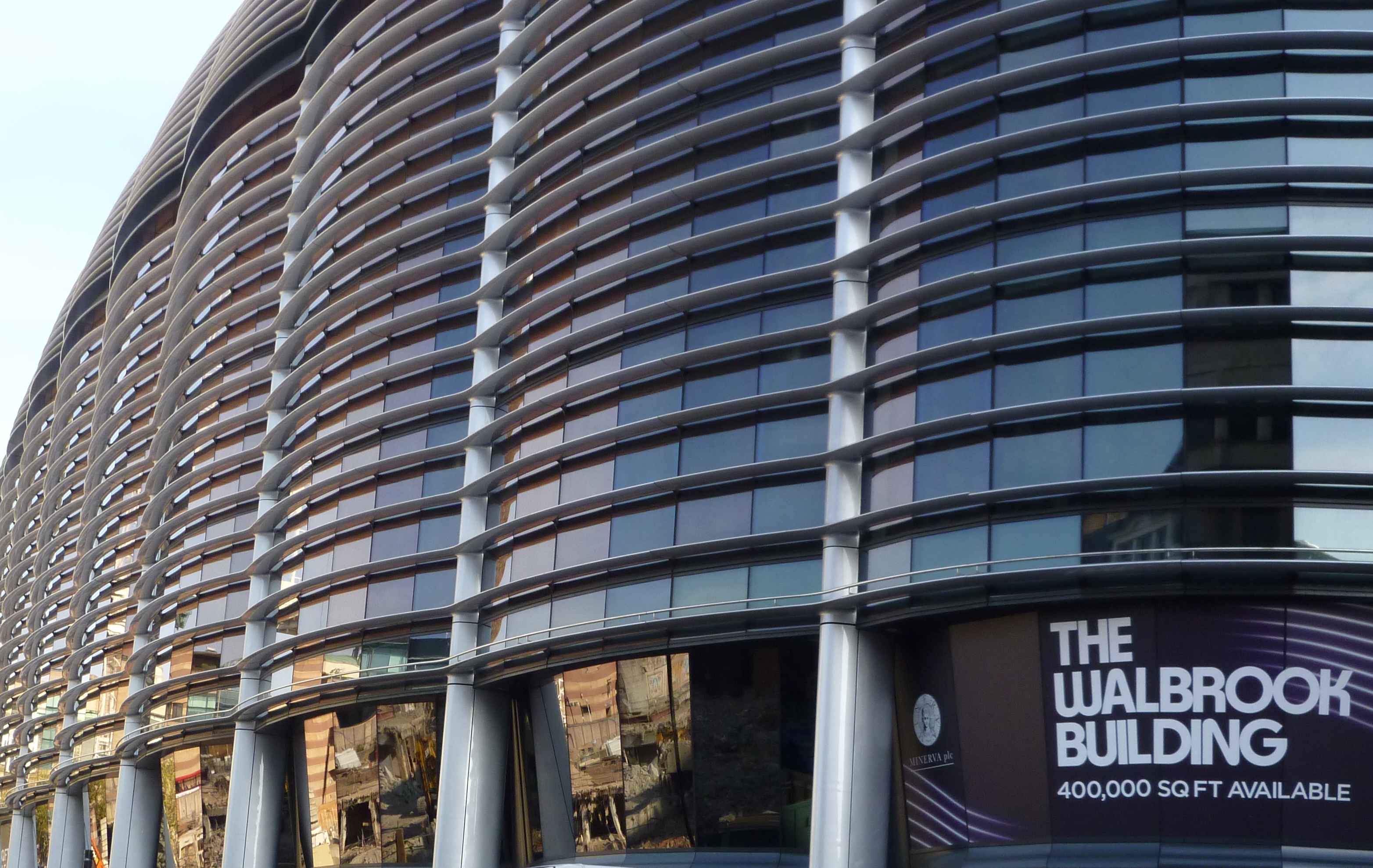
Image from London city

Picture taken in Londons city, close to many financial companies

Today I have seen the film Margin Call. I have really enjoyed it, maybe because I do not go too much to the cinema, surelly because the film is absolutelly great. And even if it seems far from climate change issues, it has led me to think in those two aspects:

1.- Before 2008 some people were warning about toxic assets, or financial great risk. I do not know if they were reputed experts or solitary voices (in the film many of the managers say I told you). Nevertheless, we could be in the same position after a climate disaster, saying I told you but nobody did what had to be done. In some cases the risks are only understood by most of the people when it is too late and it looks evident.

2.-  Considering the financial turmoil we are in (in Europe specially) due to loses of values of some things we considered more valuables (houses, mortages, debts). What could happen if we suddenly realize that some cities might be under the water not very long? Or that some lands might not be so productive due to climate changes? Or that water supplies might be a real nightmare? I am not an economist, but I have the strong felling that some of the economic negative effects of climate change will become true just when enough people is aware of them even before happening. Because the fears spread out fast in society and economy. And some people still continue to focus on short term cost of carbon emission regulations

I studied physics, I have some friends working in basic research, and myself work in applied research in a classical Industry. With this background I am inclined to position myself close to scientific points of view. And regarding Climate Change, scientists majority point of view is that it is happening and happening due to our greenhouse gas emissions. See for example general science telling webs like Neofronteras  , or TV programs like Redes 2.0.

Climate Hawks say there is consensus[LLL], or that science is settled [LLL]. Skeptics say there is not consensus [LLL], and show scientific skeptics, or even collect climate change skeptic papers [LLL]. As this time I am explaining more the feelings than evidence, for me it is clear that science divulgers, blogs and field researchers have a clear opinion: yes they believe in anthropogenic climate change. And this is important for me because I have confidence in science, not blind or absolute confidence, but confidence.I even understand when some researchers get angry about skepticism, it is like considering all their work useless. I sometimes have felt something close to this when after a research with data it is refuted by “feelings” or sensations” or just a decision. But may be it is important to note that CC public debate is not so much about science (only a few people would understand), it is about believing in something that should make us change a lot of things in our living standards or economy, and this is not easy to accept.

Just in case, I want to say that apart from my feelings the data I read also confirm a vast majority of climatologists believe in anthropogenic climate change for example the peer reviewed study mentioned in the next figure from Skeptical Science.

97% of climate experts think we are changing global temperature, from Skeptical Science

Clñimate Hawk logo

I read different blogs about climate change (see links under construction). Some agree with climate change  (they are called alarmist by the deniers and climate hawks to themself) and some deny it (they are called deniers by the Hawks and skeptic to themselves).

OK. I consider myself a climate hawk, a beliver, or alarmist, in deniers language. Sometimes deniers are quite convincing but I am more and more convinced of the urgency of climate change. And the more I read the more I believe the urgency of this issue. Why? I will explain in the following posts my reasons, trying to be sincere and explaining the reasons as well as the feellings. more or less these ones:

  • Becasuse of my feelings (and personal history).
  • Because of the evidence I see in the science I understand.
  • Because of my logic.
  • Because of some social logic.
  • Because of the contradictions of deniers .
  • Because of some examples.
Fukushima

Imagen from the reactors (From http://www.fayerwayer.com cc)

I wrote this title when Fukushima was a mayor headline, and after that I left blog writing for some months. However, Fukushima still holds some interest in my blog apart from the overwhelming tragedy for zone inhabitants, workers and most Japanese in general.

I wrote in a previous post that nuclear was dangerous but at the same time give us important KW*h not easy to substitute in this moment. I still hold this opinion in spite of the disaster. We have checked that nuclear security fails in some cases (it was extraordinary I admit it) and when it fails the consequences are disastrous but closing all of them together is a price we can’t afford in this moment. I prefer to maintain their installed power while we close the oldest and less secure, and even accept to install a new one in some cases to maintain power.

Nevertheless all this should be conditioned to rigorous security checks. Just thinking that there is a very old nuclear power station at 60 Km from my home makes me feel quite edgy and knowing the desing is not different from Fukushima even more. But the main idea I wanted to work was about the cost of Fukushima. Without knowing the details I think it is clear it will be very expensive, however making some simple figures it becomes much worse.

Following Doc’s green blog the total cost may reach $50000 million, so $5*10^10. Considering total energy output per year for nuclear plants is around  2.5 10^12  KW*h (2009 data from WWI), it gives us a rough estimate of 2 cent per KW*h over the whole world production of nuclear energy this year. It is not despisable, and will likely be paid to a great extent by Japanese goverment and so Japanesee in general.

Do you consider it a subsidy for nuclear? I do.

Composter Image

Our home worm composter

Last day my wife brought home some colleagues working in the enviroment deparment of the town hall that wanted to see our composter worms. It was a very nice visit and myabe the first time in the several years we live with those wonderful worms, in which I feel proud of them and not afraid of being discovered.
This story started aroung 7-8 years ago when after reading the web compostadores and some others. I bought there the composter (not difficult for skilful or time owner to build by oneself), I learnt from them some tips, bought the worms and they have become our pet as my son says in school. OK, maybe it is not so pink but I am happy because I do not employ too much time or effort with them, they survive and eat a good part of our domestic litter (the vegeatble part, the biggest one) transforming it into good compost.

I suppose you are asking, very ecological but does it have any relationship with climate change? Maybe it is not the critical factor but other litter treatments generate more GHG as methane or CO2 when they are stored or burned. Whereas composting (worm composting in this case, it could be done without worms but in a different way with more space requirements, and this composter lives at home in a small balcony) just fixes the Carbon in soil fertilizer. Apart from transport related CO2, not needing movement is always a saving in CO2 until we change our tranportation technologies.